
music
GIDO 2025 ALBUM
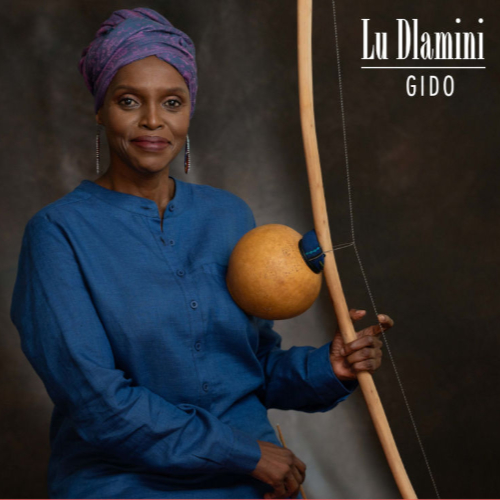
A tribute to love, resilience and Ubuntu
Lu Dlamini honours a legacy of Love and Wisdom in a New Album titled Gido.
A musical Ode to a Mother’s Teachings and a call for Unity.
EMZANTSI 2020 SINGLE
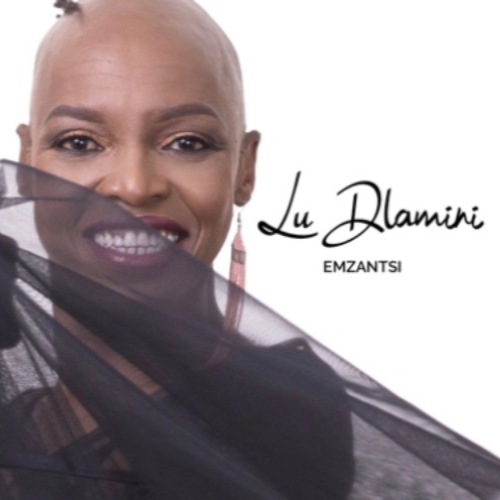
ULIMILAM 2016 ALBUM

All songs were recorded at The Headroom, Sea View, Durban except Electric Guitar on “Walking” recorded at Nux’s Studio and Madala’s Guitar on “Okusha” recorded at Paul Hussey’s Studio. All Vocals recorded using a Tul F-47 Microphone
www.tulmicrophones.com
All songs mixed at The Headroom on Vivid Audio C1.5 Special Speakers
www.vividaudio.com
All songs mixed by Marius Botha except “Walking” mixed by Nux Schwartz and Marius Botha and “Okusha” mixed by Paul Hussey in London U.K.
Mastered by Richard Edwards in Switzerland using Vivid Audio Giya G3 Speakers.
Produced by Marius Botha and Barney Bophela except “Walking” produced by Marius Botha and Nux Schwartz and “Okusha” produced by Paul Hussey.
JIKANELANGA 2011 (A COLLABORATION)
Featuring Lu Dlamini (vocals), Steve Newman (Guitar)
Tabla: Ashish Joshi
Percussion: Godfrey Mgcina
Oudtar: Greg Georgiades
Zamo Mbutho (vocals)
Sipho Nxumalo: (Vocals)
Produced by Ian Osrin at The Digital Cupboard
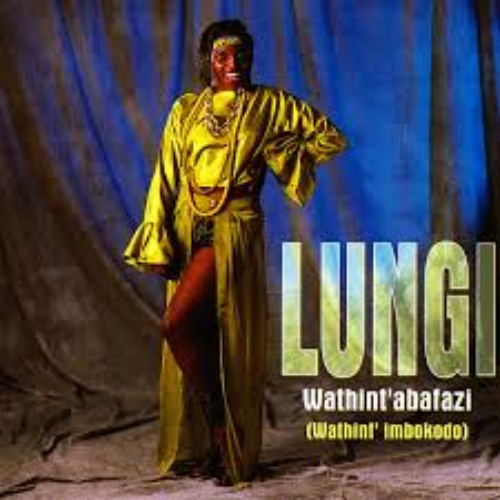
WATHINTA ABAFAZI WATHINTA IMBOKODO 1996
In 1993 I partnered to open a Music Club in the heart of Johannesburg.
We named this venture, the Music Atelier. This was inside the Manhattan Club at the Holiday Inn garden Court in Small Street Johannesburg.
This journey opened my eyes to realities of a South African life, what separation meant, the coming together, friendships made some lost. I saw people coming back to South Africa from exile. The Methodist Church in small street received those who were still looking for connections, for work, a place to stay etc. and the Atelier became the meeting point. I saw people finding families, creating relationships, some finding work.
A 23-year-old in me didn’t understand the way forward. I was happy to see people getting by seemingly harmoniously. Being one from the generations who were told revolution before education, 1994 felt like it was time for education before the real revolution of finding self and each other. Music still had a huge task at hand. There was a need of making sure all are seated in one table. We seem to have celebrated with them and forgot our role in the family.
If the family sits together in one table, home’s realities, struggles and joys are experienced by all in honesty and clarity. This assists when the need to fix situations arises, you do it together. You recognize and destroy that which might harm the wellbeing of the family bonds. Maybe because I come from an ancient, human, family history, I belong to one of South Africa’s common surnames, to me South Africa is my family.
The Music Atelier was that diverse family that opened its doors to all South Africans to find each other. Every day from 5pm to 6pm, people came together, brought in by live sounds of Frank Leepa’s Sankomota. When I first told Frank about this space, before I could even finish my story, in his husky voice he said. “Lungi, may I rehearse every day in that space? “You have to agree to this because I will give your people a free show every end of the month”.
I couldn’t say no to this. I had come from that everyday rehearsal school of Sipho Hotstix Mabuse, Brenda Fassie, where music groups rehearsed every day from 8am to 3pm at the Original Mega Music. Frank like Sipho, was a school to the young musicians that he worked with. Born in Lesotho, a free neighboring country within South African borders, he understood the hardships faced by many at that time. He saw what was coming, he witnessed like most of us, the introductions to liquor and drugs of all sorts.
I witnessed true connections each time our legendary Bra Ike Tladi on the turn tables, a school himself played music that talked to us all, from Phuzekhemisi’s Imbizo to Jonas Gwangwa’s Flowers of the Nation
It was one of these connections that Wathinta Abafazi Wathinta Imbokodo in 1996 was birthed from. I was invited to the studio by the late producer Rodgers Mvelase. He had already done his music and asked me to melodically tell stories over his music.
The journey had nothing to do with celebrations instead we experienced tribulations after tribulations though today I look back and I am grateful for the lessons learned, relationships made, the strengthening towards understanding, loving and honoring self and family.